- Home
- Who is CAPA
- CAPA News
- Resources
- LabCAT
- RMAEC
- CDOT
- Career Center
 Local Agency Asphalt Brief · September 2026 Sustainable Funding for Local Streets and RoadsWhat Colorado's 2026 Numbers Say, and How Agencies Are Closing the Gap By Brandon Brever, P.E., Director of Engineering & Technology, [email protected] 2026 Local Agency Pavement Condition & Funding Summary Local Agency Resource Hub 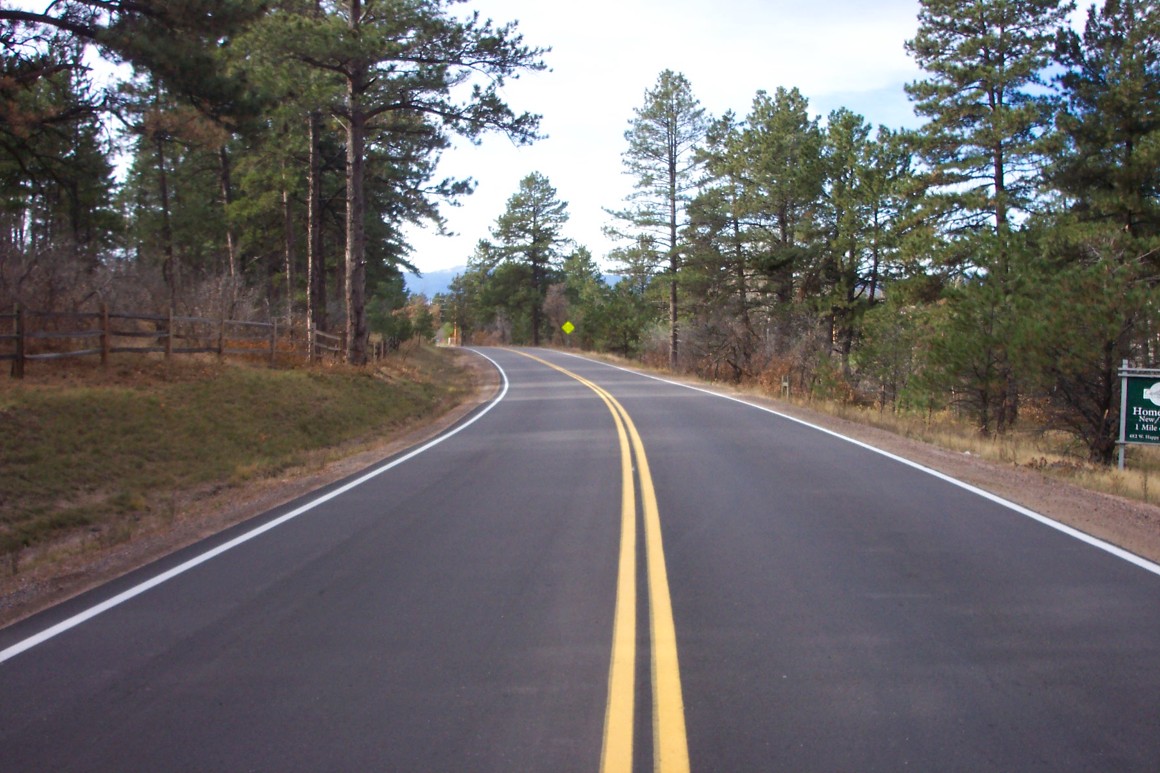 Colorado's cities, towns, and counties own most of the state's road network. CAPA's 2026 summary of pavement condition, funding, and performance of Colorado local agencies, covering 110 agencies, puts roughly 66,000 lane miles under local agency management, about 74 percent of the asphalt roads in Colorado. Local agencies also account for about 40 percent of the 8 to 9 million tons of asphalt produced in the state each year. CAPA has tracked local agency pavement condition and funding since 2015, when the survey covered 27 agencies. The 2026 edition covers 110. The picture it paints this year is a funding curve that has gone flat just as costs keep climbing. This edition summarizes what the survey shows, what happens when maintenance is deferred, and what has worked for Colorado communities that went to their voters for dedicated street funding. It also previewed CAPA's RMAEC webinar, Sustainable Funding for Local Agency Street & Road Programs, presented by CAPA Executive Director Tom Peterson, P.E., on September 24, 2026. Summary
Spending Growth Has StalledLocal street and road maintenance spending reported in the survey grew steadily for five years, from $247 million in 2018 to $325 million in 2022, then jumped to $410 million in 2023. Since then it has barely moved: $430 million in 2024, $435 million in 2025, and $436 million in 2026. Add $499 million in public works capital projects, and the 2026 local agency market totals about $935 million. Flat dollars are not flat purchasing power. With material, labor, and equipment costs still rising, a budget that holds steady buys fewer lane miles every year. 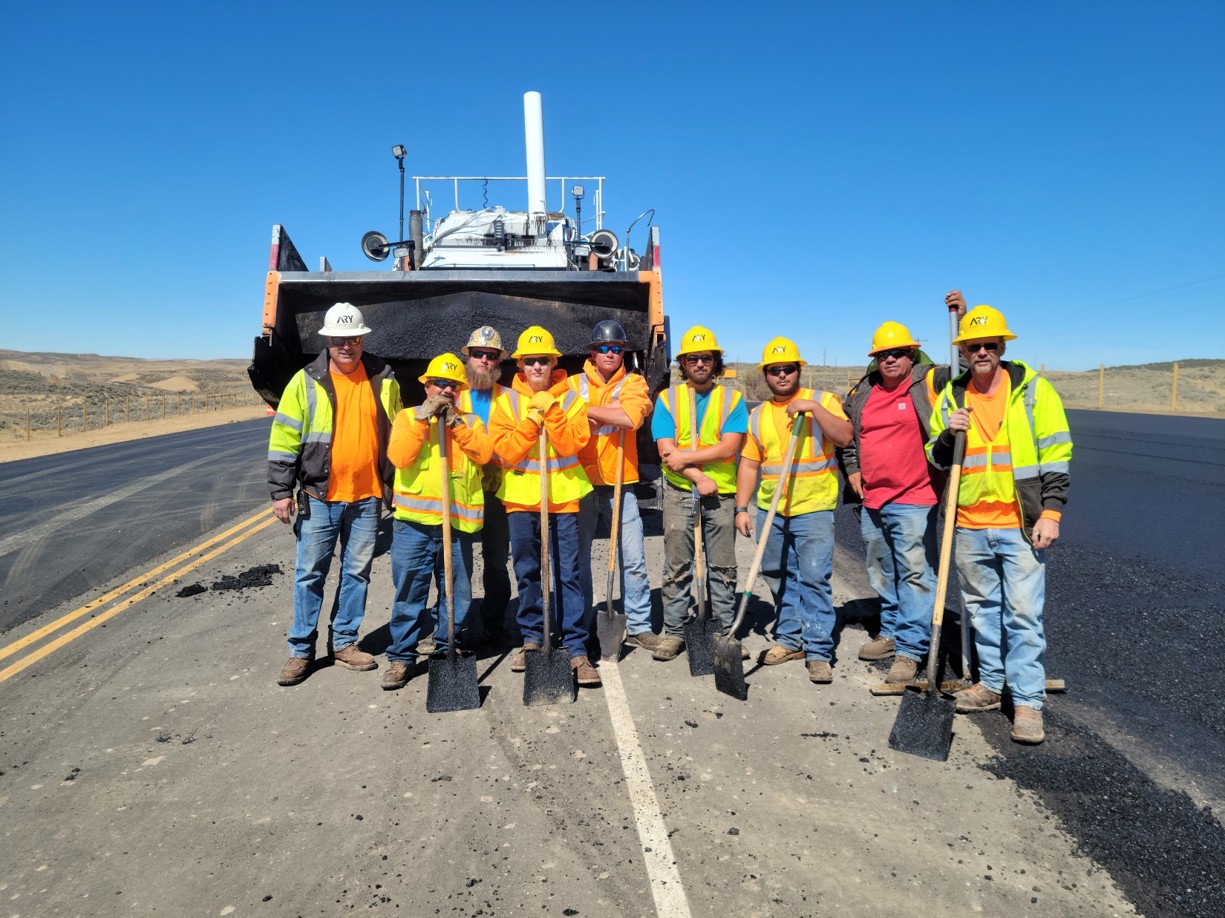 Where the Cuts Are LandingCAPA compared 2024/2025 and 2026 budgets for 16 agencies with directly comparable data. Capital and paving budgets slipped slightly. Maintenance budgets dropped sharply.
Ten of the 16 agencies increased street funding and six cut it, which leaves the group essentially flat overall. The individual swings are large. Castle Rock increased its street budget by $6.8 million (61 percent), Douglas County added $24 million to its CIP (39 percent), Weld County raised its road budget by $1.2 million (11 percent), and Aurora added $1.5 million (5 percent). Fort Collins went the other way, cutting its street budget by $2.5 million (18 percent). The pattern matters because maintenance is the cheapest pavement work an agency buys. Cutting it is the easiest budget decision to make this year and the most expensive one to live with later. Deferral Is the Most Expensive ChoiceWhen agencies face rising costs, flat revenue, and resistance to new taxes, deferring maintenance becomes the low-profile budget cut. Nobody notices a crack seal that did not happen. The American Public Works Association put it plainly in 2003: "Research and field experience have repeatedly shown that over the long run maintaining good roads in good condition costs substantially less per year than allowing them to deteriorate to the point that major rehabilitation or reconstruction is required." Underfunded programs end up in the same place. The agency cannot do the right repair at the right time, so it takes a worst-first approach, repair costs climb, and the streets that were still in good shape slide toward the same fate as the ones being rebuilt. Well-built asphalt pavements can stay in service for a very long time when the surface is maintained. Cores from I-25 south of Colorado Springs still contain material placed in 1962. The structure lasts if the surface is protected. Voters Say Yes When the Case Is ClearDedicated street funding measures have a strong record in Colorado. In November 2024, voters approved street funding questions in:
In November 2025, La Plata County voters approved a 1 percent sales tax, 56 to 44 percent. The county expects it to generate $18 million per year, with $2 million to $3.5 million per year going to road and bridge improvements. Not every measure passes. Transportation sales tax questions in Fountain and Grand Junction failed with about 42 percent support. The measures that succeed tend to share a few traits: a dedicated fund, a defined list of projects, a sunset, and a clear answer to the question every voter asks, which is what the money will actually fix. The Alamosa ModelAlamosa shows how a smaller community can build that case. The city's comprehensive plan survey found 44 percent of residents rated Alamosa bad or very bad at maintaining its streets, and smoother roads ranked among residents' top service priorities at 45 percent. In November 2019, the city asked voters for a half-cent dedicated streets tax built around accountability:
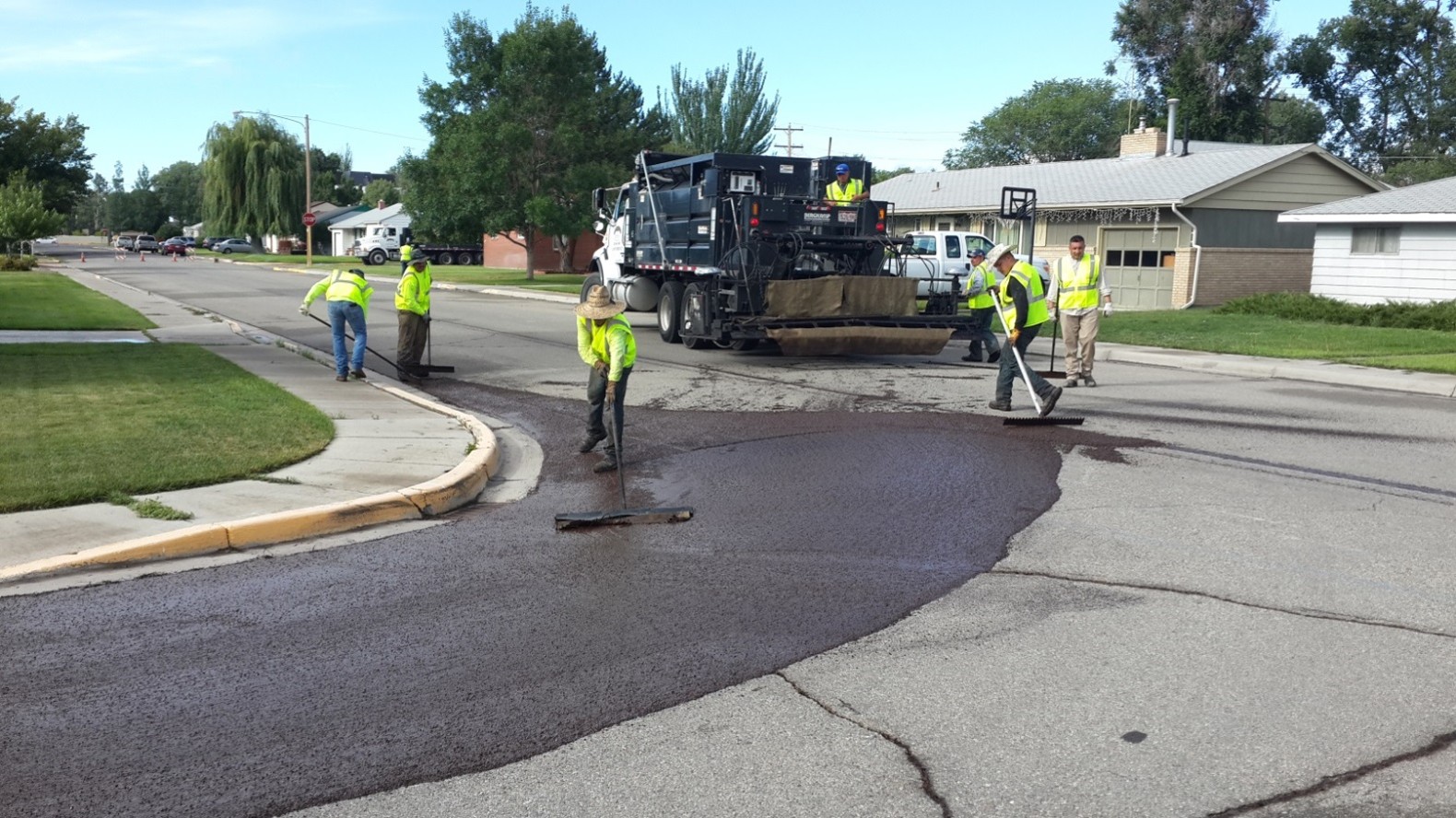
The measure passed. The tax was estimated to generate about $1.3 million per year, raising annual street funding from about $500,000 to about $1.8 million. Nearly half of the sales tax, 47 percent, is paid by nonresidents. Streets Trust Fund signs at project sites show residents where their money went. Stretching the Dollars You HaveNew revenue is not the only lever. Agencies can get more pavement from the same budget by how they deliver the work:
 About the WebinarCAPA Executive Director Tom Peterson, P.E., walked through the full 2026 survey data, the ballot measure track record, and the Alamosa case study in detail in Sustainable Funding for Local Agency Street & Road Programs, presented online on September 24, 2026. To get the presentation, contact [email protected]. Past Editions of the Local Agency Asphalt BriefEvery edition of the Brief stays online and is meant to build into a reference library for Colorado local agencies. Past topics:
All editions, along with specification references, funding resources, and pavement management tools, are collected on the CAPA Local Agency Resource Hub. We Are Here to HelpCAPA provides technical assistance to Colorado cities, towns, and counties at no cost, and is a resource for guidance and financial support for citizen and community-led efforts to fund streets and roads. If your agency is building a pavement management case for council, weighing a ballot question, or trying to stretch this year's budget further, we can help you pull together the condition and funding data, compare your program to peer agencies in the survey, and connect you with communities that have been through it. Contact Brandon Brever, P.E., Director of Engineering & Technology, [email protected]. Local Agency Membership in CAPALocal agencies play a critical role in Colorado's transportation network, and CAPA offers a dedicated membership category designed specifically to support cities and counties. Membership is intended to strengthen communication between public agencies and the asphalt industry while supporting sound engineering, responsible budgeting, and long-term pavement performance. Approximately 80 Colorado local agencies are Agency members of CAPA. Join CAPAColorado Asphalt Pavement Association · 6880 South Yosemite Court, Suite 110 · co-asphalt.com · [email protected] |